


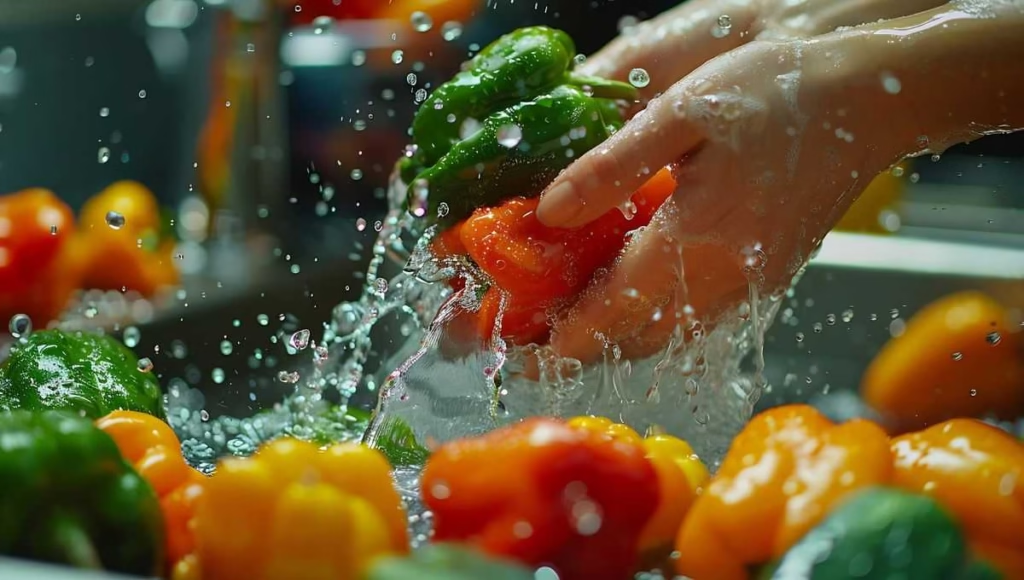
We all love fresh, colorful fruits and vegetables. They’re the foundation of a healthy diet, packed with vitamins, minerals, and antioxidants. But beneath their shiny surface lurks a hidden danger: pesticides. These chemicals, used to protect crops from insects and fungi, can pose serious health risks if consumed regularly.
Most people wash their produce with vinegar or baking soda, believing that this is enough to remove pesticide residue. However, not everyone likes the lingering smell of vinegar or the taste that baking soda can alter. The good news? You can clean your fruits and vegetables without vinegar or baking soda—using a simple, natural, and effective method backed by research.
In this article, you’ll learn why pesticide removal is important, the best alternative methods for cleaning your produce, and some pro tips for keeping your kitchen free of toxins.
The Real Reason to Wash Your Fruits and Vegetables


Even after washing, many fruits and vegetables retain trace amounts of pesticides on their skin. According to research by the Environmental Working Group (EWG), produce like strawberries, apples, spinach, and tomatoes often contain the highest levels of pesticide residue.
Long-term exposure to these chemicals can lead to health problems such as:
- Hormonal imbalances
- Nervous system problems
- Digestive problems
- Weakened immune system
- Increased risk of certain cancers
That’s why it’s essential to thoroughly clean your fruits and vegetables – not only for safety, but also to preserve their natural flavor and freshness.
Read more:- Black Diamond Apple For Beauty, Rarity, and Incredible Health Benefits
Common Methods: Vinegar or Baking Soda
Before we reveal the alternative, let’s find out why many people turn to vinegar or baking soda.
- Vinegar: Its acidity helps dissolve certain types of pesticides and kill bacteria, but it can’t remove all synthetic residue. Plus, the strong odor can stick to delicate products.
- Baking soda: It’s alkaline and effective against some surface chemicals, but soaking for too long can soften fruit and change its flavor.
While both are effective, they’re not perfect solutions—and that’s where saltwater cleaning comes in.
The Best Natural Trick: Saltwater Rinsing
If you’re looking for a method that’s easy, safe, and chemical-free, look no further than saltwater. This technique is scientifically proven to effectively remove pesticides without changing the texture or taste of fruits and vegetables.
How it works
Salt water creates an osmotic effect, which helps loosen and lift dirt, germs, and pesticide residue from surfaces. It is gentle but strong enough to make your produce clean and safe to eat.
Step-by-step instructions
Prepare the solution
- Add 1 teaspoon of salt to 1 liter of clean water.
- Stir until completely dissolved.
Soak produce
- Immerse your fruits and vegetables in the salt water for 10-15 minutes.
- Gently agitate the water with your hand in between.
Rinse thoroughly
- After soaking, rinse the produce under running water to remove salt and loose residue.
- Dry with a clean towel or let it air dry naturally.
- According to several food safety studies, this simple method can remove up to 75-80% of pesticide residue.
Other Natural Alternatives to Try
If you want to switch things up or clean different types of produce, try these additional methods:
1. Lemon Juice
The citric acid in lemons acts as a natural cleanser that helps remove grease and pesticides.
- Mix the juice of half a lemon with a liter of water.
- Soak the produce for 10 minutes, then rinse thoroughly.
2. Turmeric Wash
Turmeric has antibacterial and antifungal properties.
- Add 1 teaspoon of turmeric to a liter of water.
- Soak the produce for 5-7 minutes, rinsing thoroughly.
3. Blanching for hard-skinned produce
For vegetables like tomatoes or peppers, blanching in hot (not boiling) water for 1-2 minutes can help remove wax and chemical layers.
Tips for keeping your fruits and vegetables safe
- Buy organic produce when possible, especially for high-residue foods like strawberries, apples, and spinach.
- Peel thick-skinned produce like cucumbers and mangoes to reduce exposure to chemicals.
- Wash your hands and surfaces before and after handling raw produce.
- Store properly in the refrigerator to prevent bacterial growth after cleaning.
There’s no need to use vinegar or baking soda to properly wash fruits and vegetables. The saltwater method is natural, inexpensive, and scientifically proven to remove most pesticides and preserve flavor and freshness. By adopting this simple routine, you can protect your health and enjoy the taste of truly clean produce.
Ready to make your kitchen healthier? Try this easy method today — and explore more practical food safety tips like this on Indnexa.com.


Hi readers. I’m Piyali Batabyal, a passionate blogger who loves to share her thoughts, ideas, and experiences across a variety of topics—from lifestyle and beauty to personal growth and creativity. With a curious mind and a love for words.
Alongside my writing, I am also a professional makeup artist with a flair for enhancing natural beauty and creating transformative looks.