

Walk into any beauty store, and you’re flooded with reds, nudes, pinks and berries, all claiming to be “perfect for everyone”. To really choose a lipstick shade that flatters you, the trick is to match it with your skin tone and undertone instead of following trends. Once you know these basics, you can choose a lipstick shade in minutes and actually use what you buy instead of letting tubes gather dust.
First step to choose a lipstick shade: know your undertone
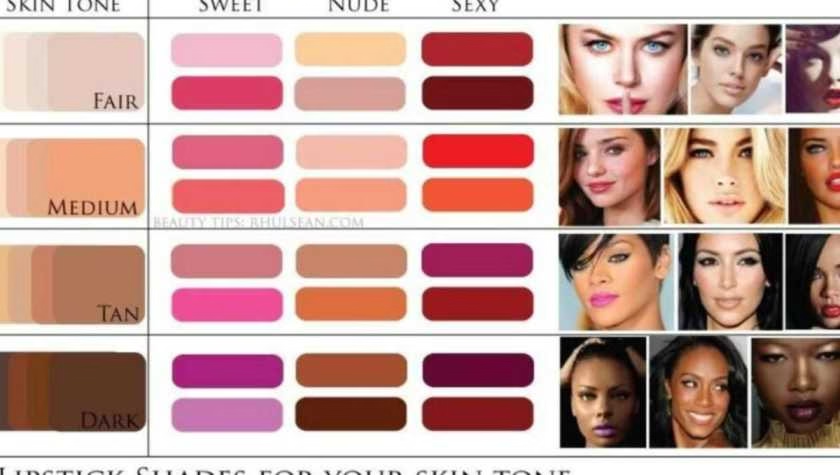
Before you choose a lipstick shade, you need to understand whether your skin is warm, cool or neutral underneath the surface colour. This undertone doesn’t change with tanning and is the key to knowing why some lipsticks make you glow, and others wash you out.
Simple tests to find your undertone
Use these quick checks at home to choose a lipstick shade that matches your undertone better:
- Vein test: Look at the veins on your inner wrist.
- Mostly blue/purple veins = cool undertone.
- Mostly green veins = warm undertone.
- Mix of both = neutral undertone.
- Jewellery test:
- Gold jewellery looks better on you = usually warm undertone.
- Silver looks better = usually cool undertone.
- Both look fine = likely neutral.
- Sun reaction test:
- Tan easily, rarely burn = more warm.
- Burn easily, tan slowly = more cool.
Once these tests align, it becomes far easier to choose a lipstick shade that sits in the right colour family for you.
How to choose a lipstick shade for fair/light skin tones
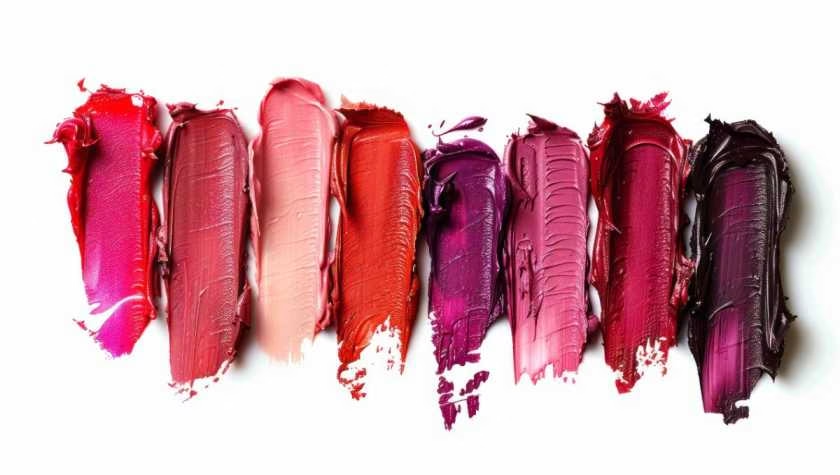
People with fair or light skin often lean cool or neutral, so the wrong colour can make you look tired instead of fresh. To choose a lipstick shade here, think “soft but defined, not too dark, not too pale.
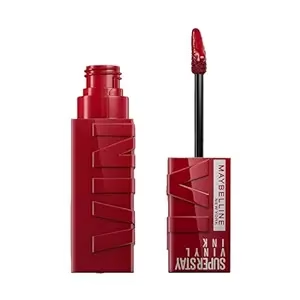
Maybelline High-Glossy New York Superstay Vinyl Ink Liquid Lipstick
Maybelline High-Glossy New York Superstay Vinyl Ink Liquid Lipstick Lippy Instant Shine & Transfer Proof. Last Up To 16Hr, Enriched With Vitamin E & Aloe
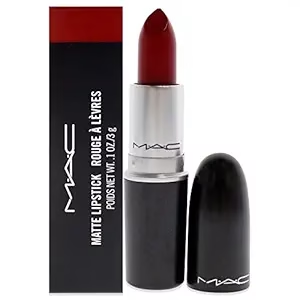
M.A.C MAC Matte Lipstick Russian Red
M.A.C MAC Matte Lipstick Russian Red
Everyday shades for fair skin
For daily wear, choose a lipstick shade in these families:
- Soft pinks like blush, rose and petal tones that add gentle colour without overpowering your face.
- Pink-based nudes that are just one or two shades deeper than your natural lip colour so you don’t look washed out.
- Light peach and coral tones if you have a warmer fair undertone.
Bold shades for fair skin
When you want something statement-making, choose a lipstick shade that contrasts but still matches your undertone:
- Cool cherry reds, berry reds and raspberry tones for cool/neutral undertones.
- Soft coral-reds or warm rose for slightly warmer fair skin, avoiding overly orangey reds that can clash.
How to choose a lipstick shade for medium/Indian skin tones
Medium and classic Indian skin tones can wear a huge range of colours, but undertone still matters. To choose a lipstick shade that flatters, aim for shades that are rich enough to stand out but not so light that they turn ashy.
Read more:- Best Vitamin C Serums For Dull Skin
Day-to-day shades for medium skin
Great everyday choices when you choose a lipstick shade for medium skin include:
- Mauve, rosewood and soft rose shades that look polished but office-friendly.
- Caramel, terracotta and mocha nudes that are slightly deeper than your natural lip tone so they don’t disappear.
- Warm pinks and dusty roses that work across many undertones.
Reds and bold colours for medium skin
To choose a lipstick shade in red or bold tones:
- Orange-reds, brick reds and warm crimsons look stunning on warmer medium complexions.
- Deeper berry and wine shades flatter cooler or neutral medium tones without looking too harsh.
How to choose a lipstick shade for dusky and deep skin tones
Dusky and deep skin tones look incredible in rich, saturated colours, but very pale shades can turn grey or ashy. To choose a lipstick shade that enhances your glow, think deep berries, chocolate tones and bold reds.
Nudes for dusky and dark skin
When you choose a lipstick shade in the nude family:
- Look for caramel, chocolate, coffee and warm brown nudes instead of pale beige or greyish tones.
- Berry-nude and plum-nude shades add dimension without making the lips disappear against the skin.
Bright and dark shades for deeper tones
To choose a lipstick shade that pops beautifully:
- Deep plum, wine, blackberry and burgundy shades look rich and flattering on deeper skin.
- Bright orange-reds, brick reds and metallic coppers or bronzes complement warm undertones nicely.
Undertone cheat sheet – how to choose a lipstick shade by undertone
This simple table can help you quickly choose a lipstick shade that aligns with your undertone.
Undertone vs best lipstick families
| Undertone | How it looks | Best shades when you choose a lipstick shade |
| Cool | Pink, red or bluish cast to skin | Blue-based reds, berries, plum, cool pinks |
| Warm | Yellow, golden or olive cast | Coral, peach, brick red, terracotta, warm browns |
| Neutral | Mix of warm and cool, hard to classify | Most families: rose, mauve, neutral reds, soft browns |
Using this as a reference whenever you choose a lipstick shade makes shopping much less overwhelming.
Finish, formula and how they affect the shade you choose
Even when you choose a lipstick shade in the right colour, the finish can change how it looks on your face. Matte, satin and gloss versions of the same shade sit very differently once applied.
Matte vs satin vs gloss
- Matte:
- Looks more intense and opaque, great for bold shades and long wear.
- Can emphasise dryness, so prep lips well.
- Satin/cream:
- Softer look with a bit of sheen, easier to wear daily.
- Comfortable if you want to choose a lipstick shade that still feels hydrating.
- Gloss:
- Sheer wash of colour, ideal for beginners and very bright shades.
- Helps lighter nudes look more forgiving on deeper skin tones.
Practical tips to choose a lipstick shade that really suits you
Beyond undertones and charts, a few habits make it much easier to choose a lipstick shade you will actually wear.
Test in good lighting and with minimal makeup
- Always swatch on your lips if possible, not just your hand, before you choose a lipstick shade.
- Check the colour in natural daylight near a window, as store lighting can be misleading.
- Try it with your everyday base makeup, not just bare skin, so you see the real effect.
Match intensity to the rest of your makeup
When you choose a lipstick shade:
- Pair strong eye makeup with softer lip shades, and subtle eyes with bolder lip colours for balance.
- For office wear, medium-intensity nudes, roses and mauves are easier to carry daily.
Pros & cons of different ways to choose a lipstick shade
Pros
- Using undertones to choose a lipstick shade saves time and reduces wrong purchases.
- Shade families for each skin tone give you a safe starting point, even as a beginner.
- Testing in natural light and with your regular makeup helps you avoid surprises later.
Cons
- Relying only on rules can feel limiting; sometimes a “wrong” shade still looks amazing on you.
- Undertone tests like the vein test are not perfect and can confuse people with mixed or neutral undertones.
- Online shopping makes it harder to judge colours, so you may still need to experiment.
A simple routine to choose a lipstick shade every time
To consistently choose a lipstick shade that flatters you, think of it as a three-step routine: find your undertone, pick a matching shade family for your skin depth, then adjust the finish and intensity to your comfort level. Once you practice this a few times, you can walk into a store (or scroll online), shortlist a handful of shades, and confidently choose a lipstick shade that you’ll love wearing again and again.

Hi readers. I’m Piyali Batabyal, a passionate blogger who loves to share her thoughts, ideas, and experiences across a variety of topics—from lifestyle and beauty to personal growth and creativity. With a curious mind and a love for words.
Alongside my writing, I am also a professional makeup artist with a flair for enhancing natural beauty and creating transformative looks.