


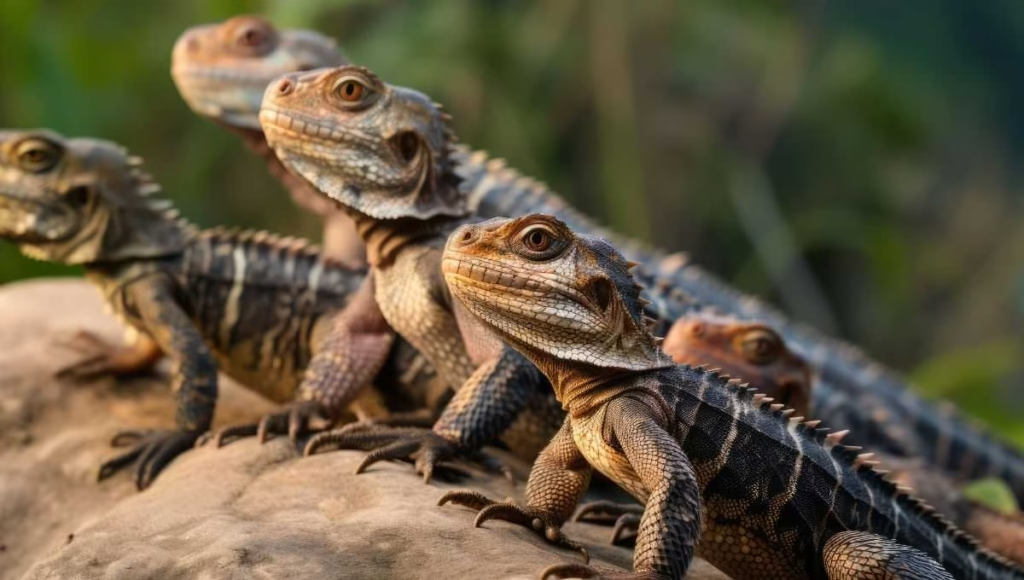
Lizards are among the most fascinating reptiles on Earth. Found in deserts, forests, gardens, and even inside homes, these small creatures spark curiosity—especially about their eating habits. One of the most commonly searched questions is what do lizards eat? The answer is not simple because lizards have diverse diets depending on their species, size, age, and environment.
In this detailed guide, we will explore what lizards eat in the wild, what they eat in gardens, and what pet lizards need for a healthy life. The content is written in simple language, easy to read, and fully human-written to help you clearly understand lizard diets.
Understanding Lizard Diets
To truly understand what do lizards eat, it is important to know that lizards are cold-blooded reptiles. Their metabolism depends on external temperature, which affects how often and how much they eat. Some lizards eat every day, while others may go several days without food.
Lizards can be grouped into three main dietary types:
- Insect-eaters (insectivores)
- Meat-eaters (carnivores)
- Plant and mixed eaters (herbivores and omnivores)
What Do Wild Lizards Eat?
Wild lizards eat whatever is easily available in their natural habitat. They are opportunistic feeders, meaning they do not follow a strict meal plan.
Insects and Bugs
For most wild species, insects form the main part of the diet. This is often the first answer when people ask what do lizards eat.
Common insects eaten by lizards include:
- Ants
- Crickets
- Grasshoppers
- Beetles
- Spiders
- Cockroaches
- Caterpillars
These insects provide protein and energy, helping lizards stay active and alert.
Small Animals
Larger lizard species may eat small animals. This can include:
- Baby mice
- Small frogs
- Smaller lizards
- Tiny birds or eggs
This behavior is more common in large lizards, but it shows how flexible lizard diets can be.
Fruits and Plant Matter
Although insects are the primary food source, some lizards also eat plants. This does not mean they are plant destroyers. Instead, they may occasionally consume:
- Soft fruits
- Flowers
- Tender leaves
- Shoots
Plant eating is more common in omnivorous and herbivorous species.
What Do Garden Lizards Eat?
Garden lizards are commonly seen on walls, trees, and fences. Many people worry that they damage plants, but understanding what do lizards eat in gardens clears this confusion.
Natural Pest Control
Garden lizards mainly eat:
- Mosquitoes
- Flies
- Ants
- Beetles
- Small insects harmful to plants
This makes them extremely helpful for gardeners. They reduce pests naturally without chemicals.
Read more:- 6 Animals That Eat Their Mates
Do Garden Lizards Eat Plants?
Garden lizards rarely eat plants. If they are seen near leaves or fruits, they are usually hunting insects. Any damage to plants is usually accidental, not intentional.
What Do Pet Lizards Eat?
Pet lizards need special care when it comes to food. Their diet must match their species to keep them healthy and active.
Insect-Eating Pet Lizards
Many pet lizards are insectivores. Their diet often includes:
- Crickets
- Mealworms
- Waxworms
- Small roaches
These insects are usually fed live to encourage natural hunting behavior.
Omnivorous Pet Lizards
Some popular pet lizards eat both insects and plants. Their diet may include:
- Leafy greens
- Vegetables
- Small fruits
- Insects for protein
Fruits should be given in small amounts, as too much sugar can be harmful.
Herbivorous Pet Lizards
Herbivorous lizards rely heavily on plants. Their diet often includes:
- Leafy vegetables
- Flowers
- Grasses
- Occasional fruits
Fresh, clean food is important for these lizards.
What Do Baby Lizards Eat?
Baby lizards need more frequent feeding. When asking what do lizards eat at a young age, the answer is usually protein-rich food.
Baby lizards commonly eat:
- Tiny insects
- Small ants
- Soft-bodied bugs
As they grow, their diet gradually expands based on their species.
How Often Do Lizards Eat?
Feeding frequency depends on:
- Species
- Age
- Size
- Temperature
General feeding habits:
- Baby lizards eat daily
- Adult lizards may eat every 2–3 days
- Larger lizards may eat less often
Cold temperatures often reduce appetite.
What Do Lizards Drink?
Another common question linked to what do lizards eat is about water.
Lizards do drink water, but not always in obvious ways. They may drink from:
- Dew on leaves
- Rainwater
- Small puddles
- Moist surfaces
Pet lizards often lick water droplets rather than drinking from bowls.
Foods Lizards Should Never Eat
Not all foods are safe for lizards. Some can be harmful or even fatal.
Foods to avoid:
- Citrus fruits
- Processed human food
- Sugary snacks
- Fireflies
- Insects exposed to chemicals
Feeding the wrong food can lead to serious health problems.
Why Understanding Lizard Diets Matters
Knowing what lizards eat helps in many ways:
- Protects garden ecosystems
- Improves pet lizard care
- Reduces fear and myths
- Encourages coexistence with nature
Lizards play an important role in controlling insect populations.
Common Myths About What Lizards Eat
Lizards Eat Household Food
False. Lizards do not eat rice, bread, or cooked meals.
Lizards Destroy Plants
False. Lizards mainly eat insects, not plants.
All Lizards Eat the Same Food
False. Diets vary greatly by species.
So, what do lizards eat? The simple answer is insects, small animals, and sometimes plants. The detailed answer depends on the lizard’s species, environment, and age. From wild forests to home gardens and pet enclosures, lizards adapt their diet to survive and thrive.
Understanding their eating habits helps us appreciate their role in nature and live peacefully alongside them. Whether you see a lizard on your wall or care for one as a pet, knowing what it eats makes all the difference.


Hi readers. I’m Piyali Batabyal, a passionate blogger who loves to share her thoughts, ideas, and experiences across a variety of topics—from lifestyle and beauty to personal growth and creativity. With a curious mind and a love for words.
Alongside my writing, I am also a professional makeup artist with a flair for enhancing natural beauty and creating transformative looks.