


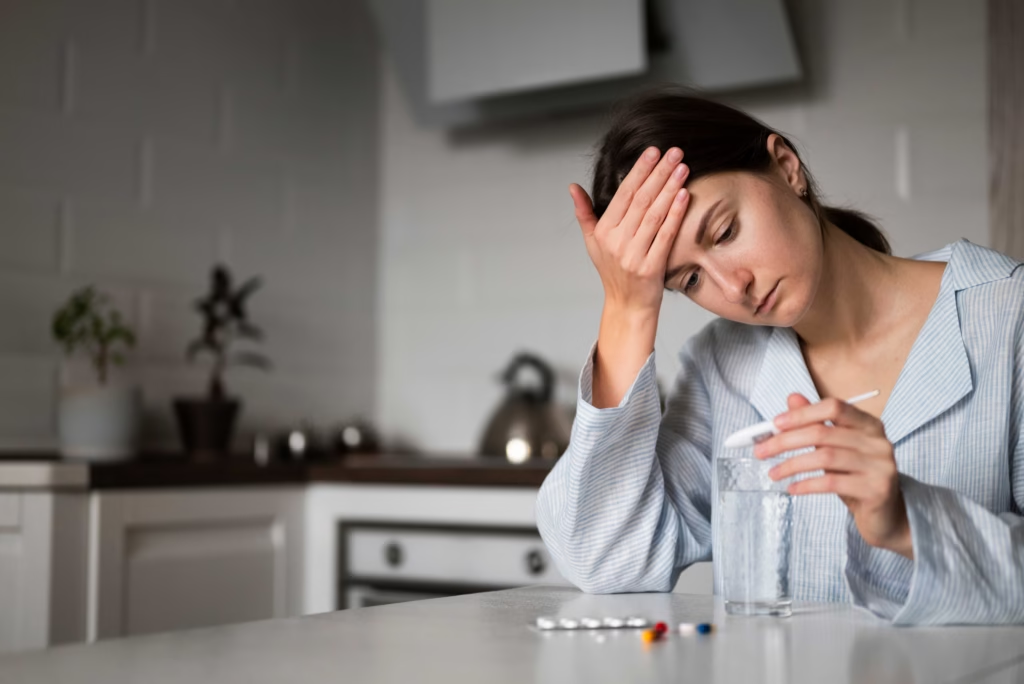
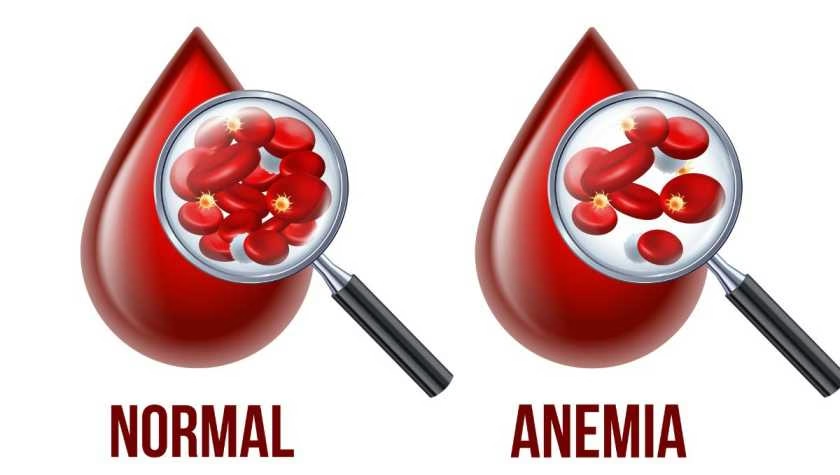
Iron deficiency anemia is a disease in which the body does not have enough iron, which can cause problems with the production of red blood cells. Iron is an essential part of blood because it is used to make hemoglobin, which carries oxygen. Iron deficiency anemia is one of the most common forms of anemia worldwide.
Iron is needed to make hemoglobin. Most of the iron in the body is found in hemoglobin. However, about one-third of the iron is stored as ferritin and hemosiderin, which are stored in the bone marrow, liver, and spleen.
What could be the reason?

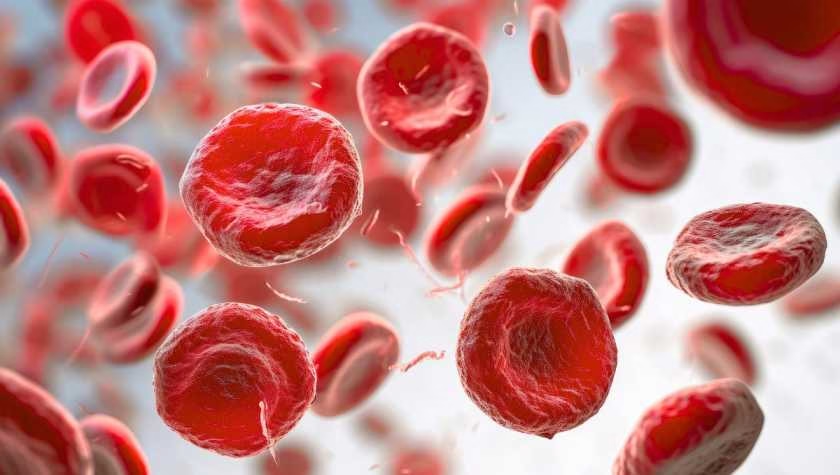
There can be several causes behind iron deficiency anemia. According to Johns Hopkins Medicine, the main causes are explained below:
Low iron diet
Many times, our diet does not contain enough iron. Although we get iron from food, a large portion of it is not absorbed — for every 10–20 mg of iron consumed, only 1 mg of iron is absorbed.
As a result, those who do not eat a regular and varied diet rich in iron are at increased risk of iron deficiency anemia.
Body changes
The body’s need for iron increases during certain times or conditions. For example, during growth spurts in children, adolescence, pregnancy, and lactation. During these times, more iron is needed to form hemoglobin, and if it is not met through food, anemia can occur.
Gastrointestinal problems
Iron is absorbed best in the stomach and small intestine. However, some gastrointestinal (GI) surgeries, or medications that reduce stomach acid production, can interfere with iron absorption. This can lead to iron deficiency anemia.
Blood Loss
Blood is a major source of iron. If you regularly lose blood, such as from gastrointestinal bleeding or menstrual bleeding, it can lead to iron deficiency.
Signs and Symptoms
The symptoms of iron deficiency anemia can vary from person to person and can sometimes mimic the symptoms of other diseases.
According to Johns Hopkins Medicine, some common symptoms are:
- Unusual paleness or discoloration of the skin
- A moody or irritable mood
- Fatigue or feeling very low in energy (easy to tire)
- Rapid heartbeat (tachycardia)
- Tongue pain or swelling
- Splenomegaly
- Unusual food cravings, such as cravings for dirt or ice — known as ‘pica’
The presence of these symptoms can certainly be confused with other diseases, so a doctor should be consulted for an accurate diagnosis.
Read more:- Kerala on Alert: Brain-Eating Amoeba Kills 19
Diagnosis
The following steps are usually followed to diagnose Iron Deficiency Anemia:
Medical history and physical examination
First, the doctor takes the patient’s history — if there are any symptoms such as fatigue, paleness, rapid heartbeat, etc. The symptoms are observed through a physical examination.
Blood tests
A complete blood count (CBC) is usually done, which measures the hemoglobin and red blood cell count in the blood. In addition, special blood tests can be done to measure serum iron, ferritin, transferrin, etc.
Additional tests
Sometimes a bone marrow aspiration or biopsy may be done, in which bone marrow is removed from the hip bone and tested, although this is usually not necessary.
An upper or lower endoscopy may be done to look for gastrointestinal bleeding to find the source of the bleeding.
How the body processes iron
The body follows a complex process of taking in, absorbing, and storing iron.
The iron we get from the foods we eat is first absorbed through the stomach.
The absorbed iron is used to form hemoglobin in the blood plasma, bound to a protein called transferrin. At the same time, iron is stored in the liver, spleen, and bone marrow in the form of ferritin or hemosiderin.
This stored iron is used as needed to form other cells, including blood cells, in the body.
Treatment and Management
The treatment of Iron Deficiency Anemia depends on several factors – such as the cause of the disease, the patient’s age, his health condition, and how deep the iron deficiency is.
Iron-rich foods
Increasing iron from food is an important method. Below are some examples of iron-rich foods:
- Meat: beef, pork, liver, etc.
- Poultry: especially the upper parts and liver
- Fish and seafood: shellfish (such as clams, haddock), sardines, anchovies, etc.
- Green leafy vegetables: broccoli, kale, turnip greens, etc.
- Legumes: chickpeas, beans, various types of pods, lentils, etc.
- Grains and grains: whole wheat bread, bread, flour, cereals, etc.
Iron supplements
If you are not getting enough iron from food at once, iron tablets or capsules can be used. However, these medications can cause some side effects, such as heartburn, dark colored bowel movements, etc.
– It is usually recommended to take iron on an empty stomach or with a fruit juice (such as orange juice), because vitamin C increases iron absorption.
– In some cases, if oral iron is not possible or absorption is poor, IV iron (intravenous) may be used.
Determining and treating the source of blood loss
If there is blood loss behind Iron Deficiency Anemia, it is important to identify the source. For this, upper and lower gastrointestinal endoscopy can be done. If the source of bleeding is found, treatment will be applied to it.
Regular Monitoring
During and after treatment, iron levels and hemoglobin levels should be checked regularly through blood tests as advised by the doctor. This will ensure that the treatment is working and iron is returning to normal levels.
Prevention and Awareness
Some simple, yet effective steps can be taken to prevent Iron Deficiency Anemia:
- Eat iron-rich foods regularly.
- Combine iron-rich foods with vitamin C-rich foods (such as oranges, berries), as this helps increase iron absorption.
- If your menstrual bleeding is heavy or irregular, consult a gynecologist or hematologist.
- If you have gastrointestinal problems such as chronic herpes or a cesarean section, get a check-up done on time.
- Take iron supplements as advised by the doctor and get your blood tested regularly.
Iron Deficiency Anemia is a health condition in which the body lacks iron, causing a decrease in hemoglobin and the blood cells to not function properly. The disease can be caused by an iron-deficient diet, rapid body changes, blood loss, or problems with absorption. Symptoms include fatigue, pale skin, rapid heartbeat, tongue changes, and even pica. To make a diagnosis, doctors usually recommend blood tests and an endoscopy as needed. Treatment includes iron-rich foods, iron supplements (oral or IV), and treating the source of the blood loss if it is caused by a blood loss. Regular monitoring and necessary lifestyle changes can successfully control Iron Deficiency Anemia.


Hi readers. I’m Piyali Batabyal, a passionate blogger who loves to share her thoughts, ideas, and experiences across a variety of topics—from lifestyle and beauty to personal growth and creativity. With a curious mind and a love for words.
Alongside my writing, I am also a professional makeup artist with a flair for enhancing natural beauty and creating transformative looks.