
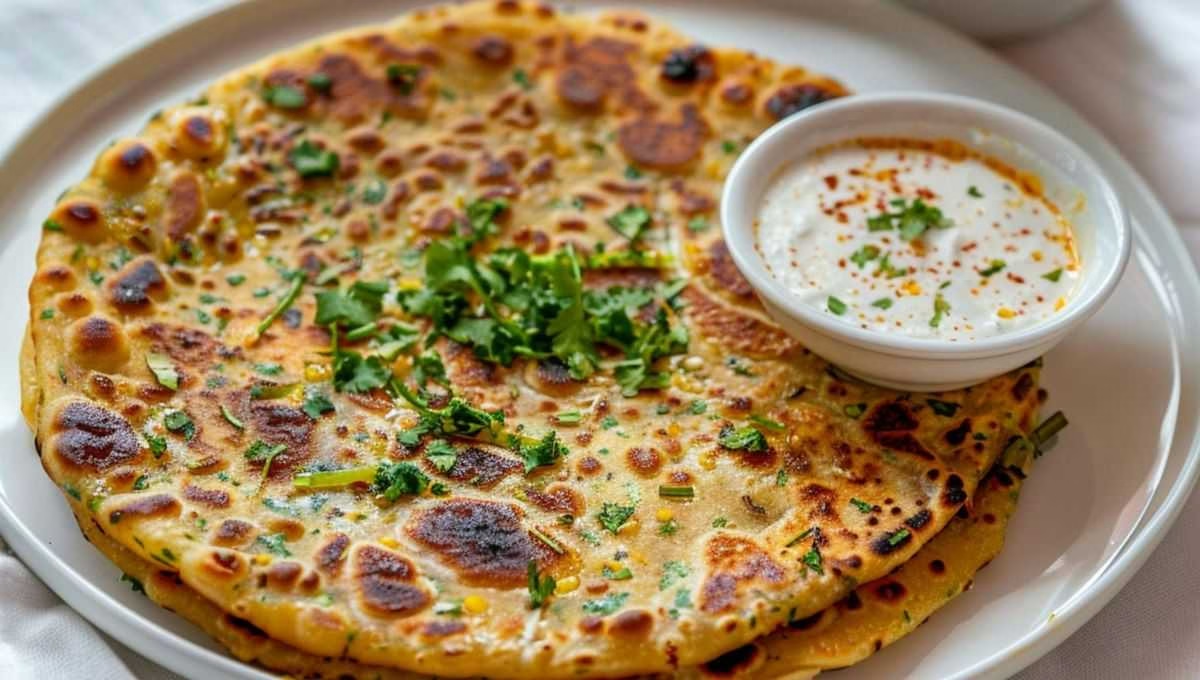
There’s something deeply comforting about biting into a warm, homemade paratha. When those parathas are infused with fresh Fenugreek leaves (methi), the result — Methi Paratha — becomes a wholesome and flavourful treat that works for breakfast, lunch, or dinner. Methi Paratha brings together the earthy bitterness of methi, the warmth of wheat and spices, and the satisfying crispiness of a well-cooked flatbread. This Punjabi-style Methi Paratha recipe gives you soft, flavourful parathas that pair beautifully with yoghurt, pickles, or a simple vegetable curry.
Why Methi Paratha?
- Healthy & Nutritious: Fresh methi leaves are rich in iron, fibre, and beneficial nutrients — making this paratha a lighter, wholesome alternative to plain ones.
- Balanced Flavours: The slightly bitter, herb-like aroma of methi, along with gentle spices and optional garlic or green chillies, creates a comforting, traditional taste.
- Versatile Meal: Whether you want a quick breakfast, a lunchbox snack, or a simple dinner side, Methi Paratha fits in beautifully — especially with curd, pickles, or vegetable sabzi.
Ingredients (for about 8–10 parathas)
- 2 cups whole wheat flour (atta)
- 1 cup fresh methi leaves (washed, stemmed and chopped) ½ tsp salt (or as per taste)
- ½ to 1 tsp finely chopped green chillies (or 1–2 whole, finely chopped) — optional, for mild heat
- 1.5 tsp finely chopped garlic (or ginger-garlic paste) — optional for added flavour
- 2 tsp oil (or ghee) — for kneading dough
- About ⅓ cup water (or as needed) — adjust depending on the moisture in methi leaves
- Additional oil or ghee — for cooking/roasting parathas. Optional additions: If you like, you can add a pinch of turmeric, cumin or other mild spices to enhance the flavour. Some cooks also add a little yoghurt (curd) to soften the dough and reduce the bitterness of methi.
Step-by-Step: How to Make Methi Paratha
1. Prepare the methi leaves
- Pluck the fresh methi leaves from the stems. Wash thoroughly to remove dirt or grit.
- Drain the water completely. Spread the leaves on a clean cloth or rack to dry slightly. Then chop them finely.
Tip to reduce bitterness: If the leaves are quite bitter, sprinkle a little salt on the chopped leaves and leave them for 15–20 minutes, then rinse and drain. This helps mellow down the bitterness.
2. Knead the dough
- In a large mixing bowl, combine the wheat flour and salt. Add the chopped methi leaves, green chillies, garlic (if using), and oil. Mix well.
- Gradually add water, a little at a time, and knead into a smooth, soft and pliable dough. The amount depends on how moist the methi leaves are.
- If the dough feels sticky, dust in a bit more flour; if it feels dry, add a few drops of water.
- Cover the dough with a clean, damp cloth and let it rest for about 15–30 minutes. Resting helps relax the gluten and makes the dough easier to roll, giving softer parathas.
3. Roll into balls and flatten
- After resting, divide the dough into equal-sized portions. Roll each portion between your palms into a smooth round ball.
- Dust the rolling board and ball lightly with flour. Flatten the ball and roll it into a circle of about 7 to 8 inches in diameter.
- If you like a layered, slightly flaky paratha, you can spread a little ghee/oil on the rolled circle, fold it into a triangle (or desired shape), then roll again. This method gives more layers. For a simpler version, just roll without layering.
4. Cook on a hot tawa (griddle)
- Heat a tawa or skillet over medium-high to high heat. Ensure it gets properly hot before placing the rolled paratha.
- Place the rolled paratha on the hot tawa. Cook until you see small bubbles or the surface starting to change colour — then flip.
- Apply a little oil or ghee on the cooked side, flip again, and cook the other side until you see golden-brown spots or small blisters. Press gently with a spatula to help cook evenly.
- Flip a couple more times if needed — until the paratha is cooked through, crisp on the outside, yet soft inside.
5. Serve hot
Enjoy Methi Paratha hot. Serve with plain yogurt (curd), pickles, or a vegetable curry. Its slightly bitter-herbal taste pairs especially well with the tang or spice of accompaniments.
Read more:- 5 Bengali Classics That Are Incomplete Without Kasundi: Bengal’s King of Condiments
Tips & Variations
- If fresh methi leaves are unavailable, you can use dried fenugreek leaves (Kasuri methi). Use 2–3 tablespoons per 1 cup of wheat flour. The flavour will differ (less fresh, more aromatic), but it still works well.
- To make the dough richer and slightly softer, some recipes add a tablespoon or two of yoghurt (curd) while kneading.
- Feel free to experiment with spices — a pinch of turmeric, a little cumin or carom seeds can add complexity to the flavour.
- For a layered, flaky texture: after rolling the dough ball, spread some ghee, fold (triangular or rectangular), then roll again. This layering makes the paratha more like a traditional layered paratha.
Final Words
This Punjabi-style Methi Paratha recipe brings together simple ingredients and traditional Indian cooking methods to create a flatbread that is nutritious, flavourful, and comforting. Whether you are cooking for breakfast, lunch, or packing a tiffin, Methi Paratha adds a touch of warmth and home-cooked goodness. Fresh methi leaves give the paratha a unique flavour, while whole wheat flour keeps it wholesome. With a little practice, you’ll get the perfect texture: crisp outside, soft inside. So next time you pick up fresh fenugreek leaves at the market, try this Methi Paratha recipe — it might soon become a regular in your meal rotation.

Hi readers. I’m Piyali Batabyal, a passionate blogger who loves to share her thoughts, ideas, and experiences across a variety of topics—from lifestyle and beauty to personal growth and creativity. With a curious mind and a love for words.
Alongside my writing, I am also a professional makeup artist with a flair for enhancing natural beauty and creating transformative looks.