


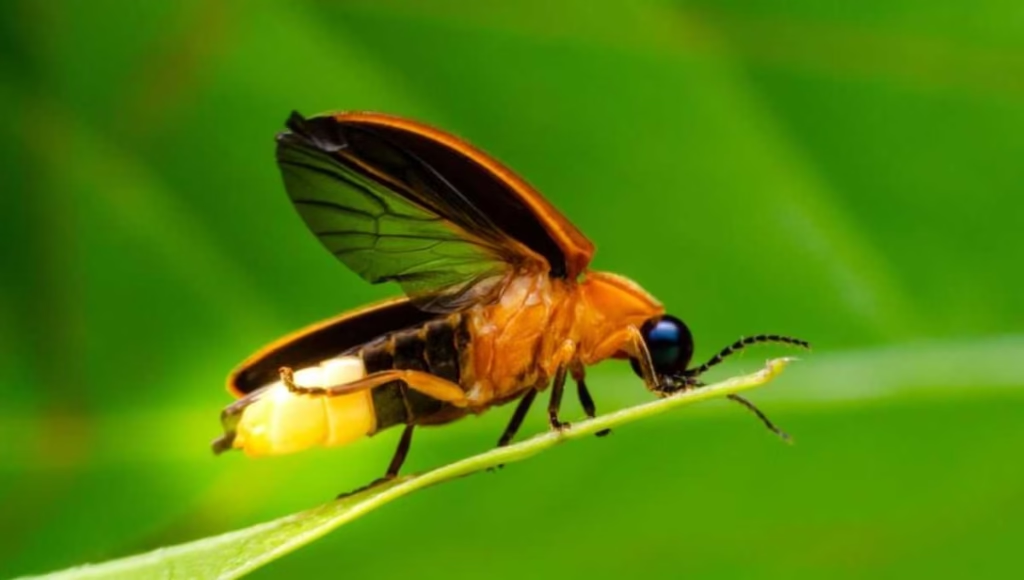
What makes some insects glow
7 Insects That Glow in the Dark: Some insects can glow in the dark thanks to a natural chemical process inside their bodies, known as bioluminescence. In this process, special molecules react with oxygen under the control of enzymes, producing a “cold light” (light without heat) that insects use for purposes such as attracting mates, finding prey, or scaring off predators. On land, glowing insects are rarer than glowing sea animals, which makes those that do glow all the more fascinating.
1. Fireflies
Perhaps the most famous of all glowing insects, fireflies (also called lightning bugs) belong to the beetle family. These insects produce rhythmic flashes of light from their abdomens during warm evenings. Each species has its own flashing pattern, which helps males and females find each other for mating. Often, the glowing continues even in the larval stage — a signal that can warn predators that they’re unpalatable.
When you see a soft glow flickering in the night air on a summer evening, chances are you’re witnessing a firefly communicating, hunting, or looking for a mate.
2. Railroad Worms
A more unusual example among glowing insects is the “railroad worm.” These are larvae (or larvae-like stages) of certain beetles found mainly in Central and South America. What makes them special is that they can glow in two different colours: greenish along the body, and reddish from a light organ in the head. This twin-colour glow gives them the appearance of little moving train lights — which is how they got their name.
The red glow is believed to serve as a warning to predators, while the greenish light may help the insect navigate. Their unique ability to shine in dual colors makes the railroad worm one of the most striking glowing insects in nature.
3. Glowing Click Beetles
Apart from fireflies, some members of the “click beetle” family are also bioluminescent. Unlike fireflies, glowing click beetles typically emit a steady, continuous glow rather than flashing. They have light-producing organs on their thorax (often as two “headlight-like” spots) and sometimes under their abdomen.
These beetles are often active at night in tropical and subtropical regions. Their constant glow is thought to serve functions such as deterring predators, and in the case of larvae, perhaps luring prey or deterring dangers.
4. Rare Bioluminescent Beetles (e.g., Some South American Species)
Within the broader group of click beetles and related beetles, there are certain species found in Central and South America that produce light continuously throughout their lives, from larva to adult. Some shine with greenish light; others may show yellowish or slightly different tones.
These beetles are less well-known than fireflies, but their glow can be surprisingly bright. For instance, the light organs emit a consistency that makes the insects visible from some distance in the dark, a hidden nighttime glow-world many of us rarely glimpse.
5. Glow-worm Larvae (Other than Fireflies)
In nature, “glow-worm” doesn’t always refer strictly to firefly larvae. Some insect larvae, especially from certain beetle families, glow to attract prey or survive in dark, damp environments.
For example, some cave-dwelling or soil-dwelling insect larvae produce faint light that helps them lure prey into sticky threads or avoid predators. Their glow is often dim and subtle, but in a dark, quiet environment, it can stand out, an eerie, almost magical sign of hidden life.
6. Insects That Mimic Glow (Fluorescent or Reflective Insects)
Not all glowing or glowing-like insects truly produce their own light. Some rely on fluorescence or iridescence, reflecting or scattering ambient light in a way that makes them appear luminous.
In certain beetles, for instance, the exoskeleton may shimmer in a metallic or jewel-like way under moonlight or torchlight. While this isn’t bioluminescence, the effect can be striking. In some cases, this reflected glow serves as mimicry: making the insect look like a toxic bioluminescent beetle, warning off predators.
7. Insect Larvae in Dark, Moist Habitats (Soil, Under Logs, in Caves)
Beyond the well-known fireflies or click beetles, many lesser-known insects in damp soil, under decaying wood, or inside caves rely on bioluminescence or fluorescence. These include certain larvae that glow dimly to lure prey or communicate.
Because these insects live in hidden or dark habitats, human encounters are rare. But when conditions are right, humid night, little ambient light, their subtle glows can transform ordinary woods or caves into mysterious glowing landscapes.
Read more:- Discover The 7 Unique Animal Names that Start with Q
Why Do These Insects Glow? The Main Reasons
- Attracting mates: Many glowing insects use their light as a signal to find and communicate with potential mates, especially true for fireflies.
- Deterring predators: A glow can warn predators that the insect may taste bad or be toxic. In some dual-colored insects, a change in glow may signal danger.
- Luring prey: Some larvae use their light to attract smaller insects, like a living lure, making hunting in the dark easier.
- Communication/navigation: For insects living in dark habitats (caves, soil, dense forest), light can help them find each other or orient their movements.
Final Thoughts
The world of “insects that glow in the dark” is far richer and more diverse than most of us imagine. From the flickering dance of a firefly on a summer night to the steady glow of a hidden click-beetle under fallen logs, these luminous creatures remind us that even common-looking forests and fields may hide tiny wonders.
Whether producing light via bioluminescence or creating an illusion of glow through reflectivity or fluorescence, each of these insects plays a unique role in their ecosystem. Next time you walk at night under trees or near dark woods, take a moment, you might just catch a glimpse of nature’s subtle light show.


Hi readers. I’m Piyali Batabyal, a passionate blogger who loves to share her thoughts, ideas, and experiences across a variety of topics—from lifestyle and beauty to personal growth and creativity. With a curious mind and a love for words.
Alongside my writing, I am also a professional makeup artist with a flair for enhancing natural beauty and creating transformative looks.